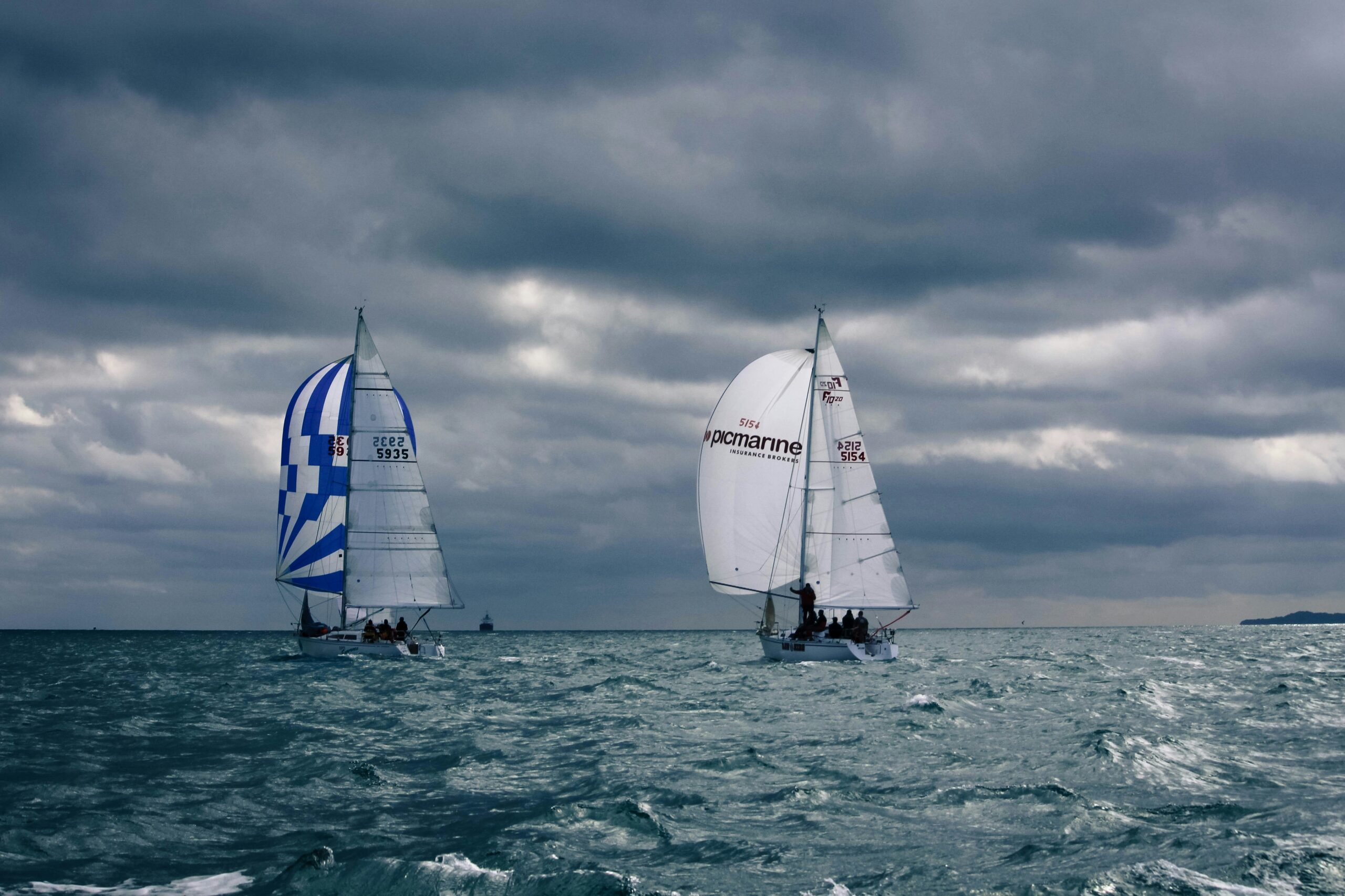
Yacht racing is one of the most thrilling and prestigious sports on the water. It combines the power of nature, the precision of athletic skill, and the intelligence of strategic decision-making. Unlike many traditional sports, yacht racing takes place in an ever-changing environment where wind, tides, waves, and weather can shift the outcome at any moment.
For centuries, yacht racing has captured the imagination of sailors and spectators alike. From weekend regattas at local sailing clubs to global offshore competitions, the sport offers excitement, challenge, and a deep connection to the sea.
This article dives into the fascinating world of competitive yacht sailing, explaining what makes it special, how races work, and why it continues to grow in popularity worldwide.
What Competitive Yacht Sailing Really Involves
Competitive yacht sailing is a sport in which boats race against each other over a set course, aiming to reach the finish line first. While speed is essential, success depends as much on technique, teamwork, and understanding natural conditions.
Sailors must constantly adjust to:
Changes in wind direction
Shifting currents
Tactical movements from competitors
Course mark positioning
Boat handling under pressure
Every race becomes a dynamic test of both physical ability and mental focus.
A Brief History of Yacht Racing Traditions
Yacht racing has a long and rich history. The sport became popular among European sailors in the 17th and 18th centuries and later grew into an international competition.
One of the most famous milestones in yacht racing history is the America’s Cup, first held in 1851. This event helped establish yacht racing as a serious global sport and inspired the development of faster, more advanced sailing vessels.
Over time, yacht racing evolved from an elite hobby into a widely accessible sport practiced around the world today.
Types of Yacht Races Around the World
Yacht racing comes in many different formats, each offering unique challenges and excitement.
Fleet Racing
Fleet racing is the most common form, in which multiple yachts compete simultaneously. Strategy is essential because boats must maneuver in crowded conditions.
Match Racing
In match racing, only two yachts compete head-to-head. This format emphasizes tactics, positioning, and direct competition.
Offshore Racing
Offshore races cover long distances and may last for days or weeks. These races require endurance, navigation skills, and strong crew coordination.
One-Design Racing
One-design racing uses identical boats, meaning victory depends on skill rather than equipment advantages.
Each racing style offers a different way to experience the sport.
The Role of Wind and Weather in Yacht Racing
Wind is the driving force behind every sailing yacht. Understanding wind patterns is one of the most essential skills in racing.
Successful racers learn how to:
Spot wind shifts early
Use gusts to increase speed
Avoid areas of weak wind
Position the yacht in clean airflow
Weather conditions can dramatically affect race outcomes. Strong sailors constantly monitor clouds, waves, and pressure changes to stay ahead of competitors.
Key Skills Required for Yacht Racing Success
Yacht racing is a combination of many skills working together. Even the fastest boat cannot win without proper sailing technique.
Critical racing skills include:
Sail Trimming
Adjusting sails correctly ensures maximum speed and efficiency. Small sail changes can create significant performance differences.
Boat Handling
Smooth tacking, gybing, and turning maneuvers reduce speed loss and improve race performance.
Tactical Awareness
Winning requires understanding competitor positioning, course strategy, and when to take risks.
Communication and Teamwork
Crew members must work in perfect coordination, especially during high-pressure moments like starts and mark roundings.
Mastering these skills takes practice and experience.
Why the Race Start Is One of the Most Critical Moments
The start of a yacht race is one of the most intense phases. Boats cluster near the starting line, all trying to position themselves for the best launch.
A successful start requires:
Perfect timing
Strong acceleration
Avoiding crowded traffic
Securing clean wind immediately
A poor start can place a yacht far behind early, making recovery difficult in competitive fleets.
The Importance of Strategy and Course Decisions
Yacht racing is often called chess on water because strategic choices matter as much as sailing speed.
Tactical decisions include:
Choosing the best side of the course based on wind shifts
Covering opponents to block their advantage
Avoiding dirty air behind other boats
Using currents to gain extra speed
Smart racers constantly plan several moves and adapt quickly as conditions change.
Yacht Racing Equipment and Modern Innovation
Modern yacht racing has been transformed by technology and innovation. Racing yachts are designed for speed, efficiency, and advanced performance.
Key innovations include:
Lightweight carbon fiber hulls
High-performance racing sails
GPS and wind tracking instruments
Foiling yachts that lift above the water for speed
Despite advanced technology, human decision-making remains the most critical factor in competition.
The Thrill and Adventure of Offshore Yacht Racing
Offshore yacht racing offers a special kind of excitement. Unlike short inshore races, offshore competitions take sailors into open ocean environments where endurance and resilience are tested.
Offshore racers often face:
Storm systems and heavy seas
Long nights with little rest
Equipment breakdowns requiring quick repairs
Mental pressure over extended periods
These races are some of the most incredible adventures in competitive sport.
How Beginners Can Get Involved in Yacht Racing
Yacht racing may look intimidating, but it is more accessible than many people realize. Many sailors begin by joining local clubs and volunteering as crew.
Steps for beginners include:
Learning basic sailing skills first
Joining a sailing community or club
Participating in training regattas
Crewing with experienced racers
Practicing maneuvers consistently
Most yacht racers started as beginners, learning through hands-on experience on the water.
Common Mistakes New Yacht Racers Should Avoid
Beginners can improve quickly by avoiding typical early mistakes.
Common errors include:
Over-trimming sails and slowing down
Ignoring wind shifts
Poor communication during maneuvers
Starting too early and receiving penalties
Focusing only on speed instead of strategy
Learning from mistakes is part of growth in competitive sailing.
Why Yacht Racing Continues to Captivate the World
Yacht racing remains one of the most respected and exciting sports because it blends athleticism, intelligence, tradition, and adventure.
It attracts people because:
No two races are ever the same
The sea offers endless challenges
Teamwork creates strong bonds
The sport rewards patience and skill
Competition takes place in breathtaking environments
Yacht racing is not just about winning—it is about mastering nature and embracing the thrill of the journey.
Competitive Yacht Sailing as the Ultimate Test of Skill and Spirit
Competitive yacht sailing is a sport unlike any other. It demands technical skill, strategic thinking, teamwork, and respect for the unpredictable forces of wind and water.
From high-speed coastal regattas to daring offshore challenges, yacht racing offers unforgettable experiences for sailors at every level.
Whether you dream of joining your first local race or want to understand the excitement behind global sailing competitions, yacht racing represents the perfect blend of adventure, precision, and passion on the open sea.