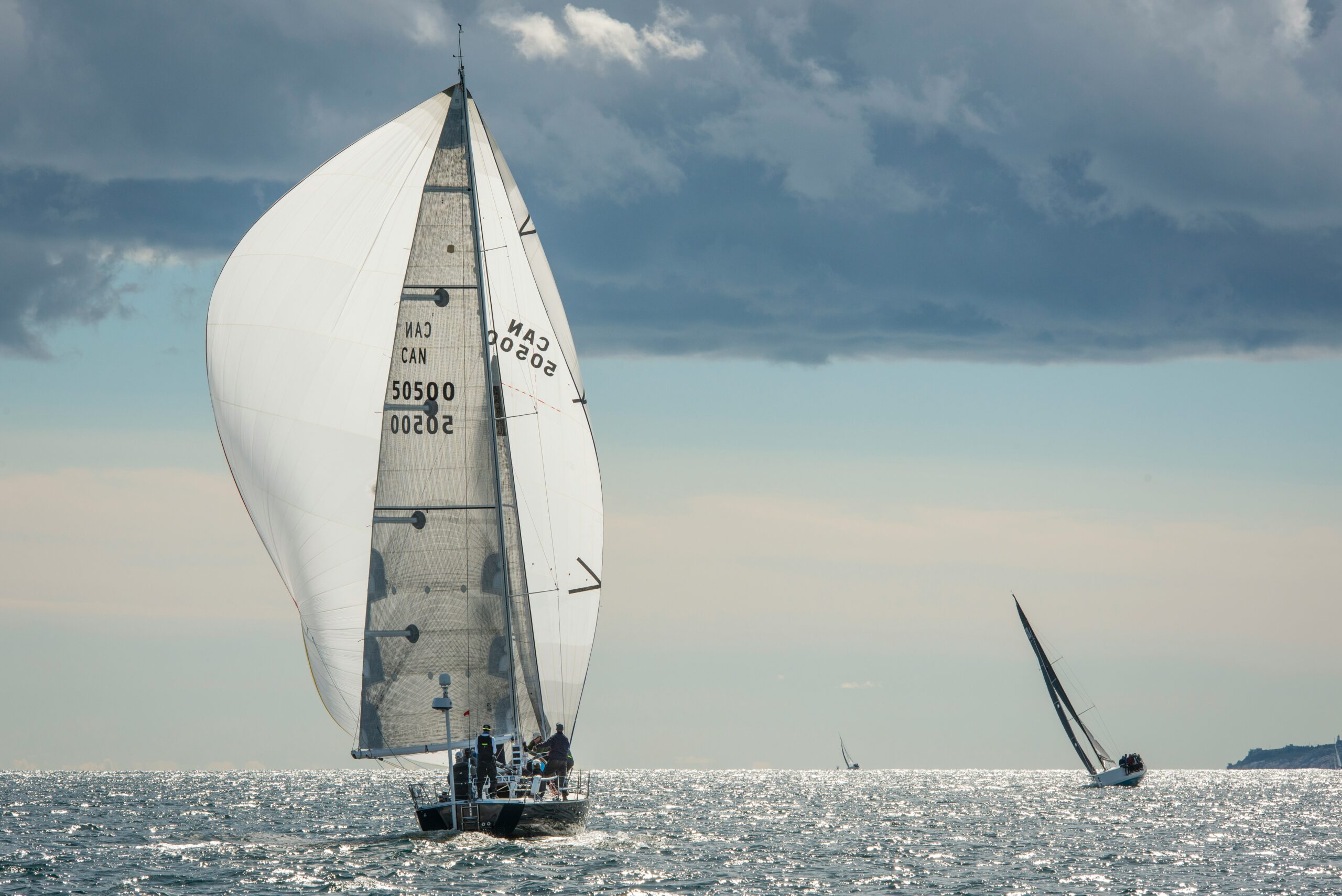
Yacht racing draws sailors into a world where speed, skill, and nature collide in real time. From the moment a race begins, crews push their boats across open water while adjusting to shifting winds and changing seas. Because of this constant movement, every race feels different, and every decision carries weight.
Furthermore, the thrill comes from uncertainty as much as from competition. Sailors never fully control the environment, so they must adapt quickly and think ahead. As a result, even experienced racers stay alert from start to finish, knowing that one small change in wind direction can alter the entire outcome.
In addition, yacht racing offers a unique connection between humans and nature. The wind becomes both a guide and a challenge, shaping the race’s pace. Meanwhile, the ocean adds pressure and unpredictability, which forces sailors to stay focused and responsive throughout the journey.
Building a Winning Crew and Team Chemistry
Strong yacht racing performance depends heavily on teamwork. Each crew member plays a specific role, and success relies on how well everyone works together under pressure. Because races move quickly, teams must communicate clearly and act without hesitation.
Furthermore, trust becomes the foundation of every winning crew. Sailors rely on each other to handle sails, steer the boat, and respond to shifting conditions. As trust grows, coordination improves, and the team begins to function like a single unit rather than separate individuals.
In addition, practice builds rhythm and understanding within the crew. When sailors train together regularly, they learn each other’s timing and habits. Consequently, they respond faster during races, often giving them a critical advantage over less-synchronized competitors.
Reading Wind and Water for Competitive Advantage
Successful yacht racing requires a deep understanding of wind patterns and water movement. Sailors constantly observe the environment to identify shifts that could affect speed and direction. Because conditions change rapidly, awareness becomes a key skill in every race.
Moreover, wind reading allows sailors to choose the most efficient path across the course. By recognizing gusts and lulls, they position their boats to gain maximum speed. As a result, small adjustments in sail angle or direction can lead to significant gains over time.
In addition, water conditions play an equally important role. Waves, currents, and surface texture all influence how a boat moves. When sailors interpret these signals correctly, they reduce resistance and maintain smoother control, which helps them stay competitive throughout the race.
Race Day Strategy and Tactical Decision-Making
Race day strategy shapes how teams approach each section of the course. Sailors plan their moves based on wind forecasts, competitor positions, and course layout. Because conditions can shift unexpectedly, they also prepare flexible strategies that allow quick adjustments.
Furthermore, tactical decision-making happens continuously during the race. Teams decide when to change direction, adjust sails, or shift positions relative to competitors. As these decisions unfold, even small advantages can grow into meaningful leads.
In addition, positioning plays a major role in race outcomes. Sailors often compete for the best wind angles rather than direct speed alone. Therefore, smart positioning helps them avoid obstacles, capture stronger winds, and maintain a competitive edge throughout the course.
Stories from the Sea: Lessons Learned in Competition
Every yacht race creates stories that shape future performance. Sailors often recall moments when sudden weather changes forced quick thinking and bold decisions. Because the ocean rarely behaves predictably, these experiences become valuable lessons.
Furthermore, many sailors learn the importance of patience through competition. Rushing decisions often lead to mistakes, while steady focus creates better results. As a result, experienced racers develop a calm mindset even when conditions become intense.
In addition, teamwork stories often stand out the most. Crews remember races where communication made the difference between success and failure. When everyone stays aligned and responsive, the team often overcomes challenges that seem impossible at first.
Training, Discipline, and Mental Strength
Training plays a central role in preparing for yacht racing. Sailors spend hours practicing maneuvers, improving coordination, and refining their understanding of wind behavior. Because repetition builds confidence, consistent training leads to better performance on race day.
Moreover, discipline shapes how sailors approach both training and competition. They maintain focus even when conditions become difficult or exhausting. As a result, disciplined sailors stay consistent and avoid unnecessary mistakes during critical moments.
In addition, mental strength separates good sailors from great ones. Yacht racing demands quick thinking under pressure, and stress can easily affect performance. However, sailors who train their minds alongside their physical skills often remain calm and make smarter decisions when it matters most.
The Growing Appeal of Competitive Sailing
Yacht racing continues to attract new enthusiasts because it combines adventure, strategy, and teamwork. As more people discover the sport, they find a challenging yet rewarding environment that tests both physical and mental abilities. Because of this balance, interest in competitive sailing continues to grow worldwide.
Furthermore, modern technology has made the sport more accessible. Advanced navigation tools, performance tracking, and training resources help beginners learn faster and improve more efficiently. As a result, new sailors can enter the sport with greater confidence than ever before.
In addition, the community around yacht racing plays a significant role in its popularity. Sailors share experiences, strategies, and stories that strengthen connections within the sport. Consequently, yacht racing becomes not just a competition but also a shared passion that continues to evolve.